Table of contents
Still clinging to the old “19 °C rule” this winter? It might be time to rethink. Experts are changing their advice—and it could mean less discomfort, lower stress, and smarter energy use. Let’s explore why 20–21 °C may now be the new gold standard for winter heating.
Why 19 °C Isn’t the Magic Number Anymore
For years, 19 °C was seen as the perfect indoor temperature to save energy and stay responsible. But here’s the truth: it doesn’t feel warm enough in most homes.
Old buildings, poor insulation, and sitting still all day can make 19 °C feel much colder. In fact, studies show it can feel like 17 °C in skin temperature when cold walls and drafts are involved.
This is even tougher for babies, older adults, or people with health issues. Many have reported problems like fatigue, joint pain, and respiratory issues after trying to stick to 19 °C during long energy crises.
The New Recommendation: 20–21 °C for Comfort and Health
Experts now suggest a shift. Instead of one fixed number, adjust based on the room’s function and who uses it.
- Living spaces: Aim for 20–21 °C
- Bedrooms (healthy adults): Set between 17–19 °C
- Bathrooms: Keep warm only when in use
- Rarely used rooms: Down to 17–18 °C
This idea is called zonal heating. Warm where life happens. Cooler where it doesn’t.
Why This Change Matters
It’s not just about comfort—it’s about wellbeing and smart spending.
Models run by researchers show that turning up your living room from 19 °C to 20.5 °C only costs a few extra euros or pounds per week. You can easily make up for it by reducing heat in places like hallways or spare rooms.
In short, this small boost makes a big difference in mood, sleep, and concentration.
How to Heat Smarter This Winter
Keeping warm without wasting energy isn’t hard—it just takes a bit of planning.
- Pick one “core zone” to keep truly warm (like your living room).
- Use a thermostat in that room—not a hallway.
- Set heating schedules: warm in the morning, evening, and early night, slightly cooler during the rest.
- Add thermostatic valves to control each room individually.
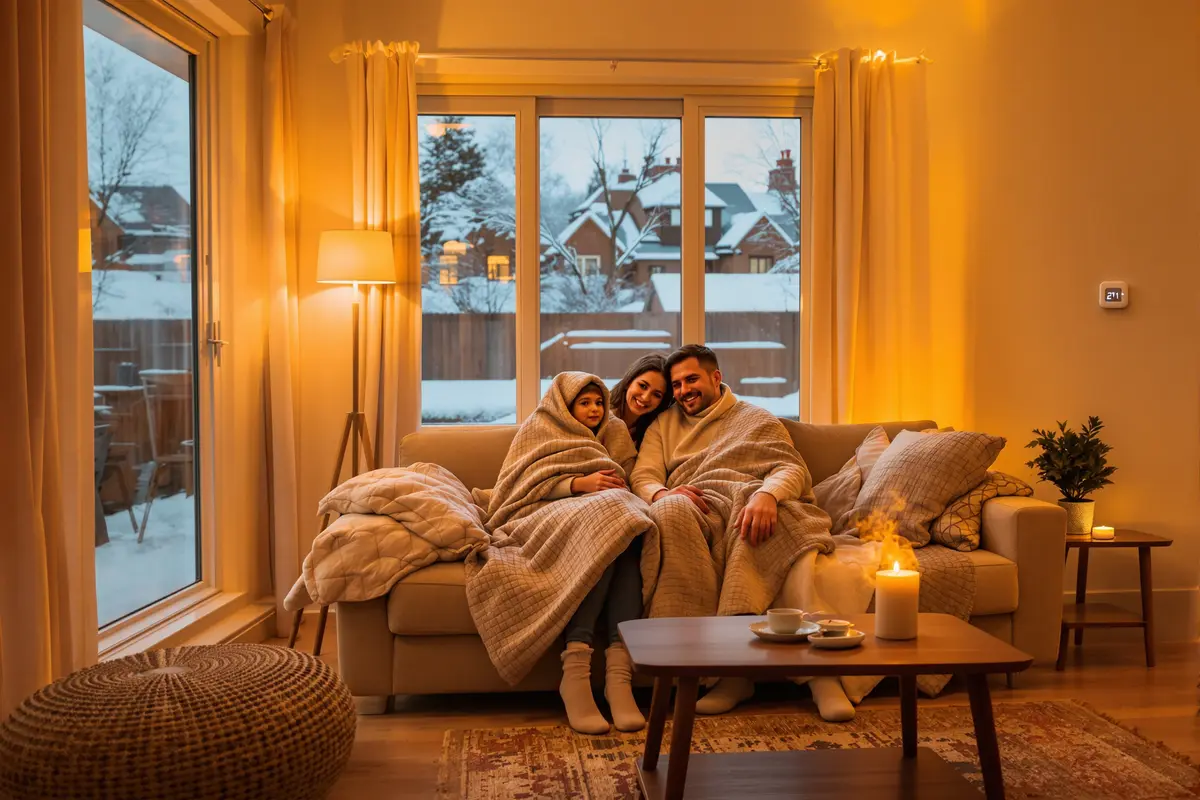
- Dress for warmth: wear layers, socks, and use blankets before turning up the heat more.
- Watch for condensation: it’s a sign your rooms may be too cold and under-ventilated.
Making Peace With Different Comfort Levels
One family, one house… but different cold tolerances. Sound familiar? Instead of arguing over numbers, agree on a comfort range: maybe 20–21 °C in the evening when everyone’s together, cooler at night.
And don’t forget: emotional comfort matters too. Wanting a brief warm-up when your baby is sick or visitors arrive isn’t wasteful—it’s human. Heating should feel like care, not like guilt.
Remember This Simple Winter Checklist
- Focus on one warm zone at a time
- Aim for 20–21 °C where you spend the most time
- Let less-used rooms stay cooler
- Stick to time-based schedules instead of full-on heating all day
- Layer up and think textiles: rugs, curtains, throws
Rethinking What ‘Comfortable’ Really Means
The real shift this winter isn’t just numbers—it’s mindset. You’re not “failing” if 19 °C doesn’t work for your body or your home. Instead, notice how different setups make you feel. Try different temps. Adjust weekly if you need to.
And remember, every home is different. Some people love 22 °C and others are fine at 18 °C with a warm drink and fuzzy socks. What matters most? That you feel safe, warm enough, and not stressed about utility costs.
FAQs
Is 19 °C now considered too cold for a home?
For many healthy adults, it can be okay. But more and more experts now suggest that 20–21 °C feels better, especially in homes with poor insulation.
What temperature should I set for my bedroom at night?
Try 17–19 °C if you’re healthy. Go a bit warmer for babies, seniors, or anyone with health concerns.
Will raising my thermostat from 19 °C to 21 °C explode my bill?
Heating costs rise by about 6–10% per extra degree. But you can save by lowering temps in corridors or unused rooms to balance it out.
Is it better to leave the heating on low all day or turn it on and off?
Best approach: schedule soft ups and downs. Keep it gently warm when needed, not extreme highs and lows.
What if I still feel cold at 21 °C?
Cold walls, humidity, and drafts can make 21 °C feel chilly. Improve insulation, close gaps, and layer up with clothes and textiles to warm your body—not just the air.
Final Thought: Find Your Real Winter Temperature
This winter, tune in to what really works for your home and body—not just what a leaflet used to say. Somewhere between 19 and 21 °C is a comfortable balance for most. Don’t be afraid to warm the spaces that matter and let others cool down a bit.
A cozy home isn’t about sticking to one number. It’s about smart choices, shared decisions, and a little warmth—right where you need it most.